International corporate event planning is about much more than choosing a destination, booking a hotel and filling an itinerary.
The events that make the strongest impression tend to start somewhere else entirely: with the client, the delegates and the reason for bringing people together in the first place.
At STAR Your World, we work with Destination Management Companies (DMCs) across the world, connecting UK corporate event planners and agencies with teams who understand their destinations first-hand.
We asked several of our DMC partners the same four questions about what makes their destination work for events, the programmes that have stayed with them, the experiences planners may not discover independently and how they make each event feel individual.
We spoke to Nomago DMC in Slovenia, Inside Events DMC in Portugal, Akbar Holidays in India, Desert Gate across the UAE, Oman and Qatar, and AME DMC Greece.
While the destinations are very different, some surprisingly consistent themes emerged.

What makes a destination work for international corporate events?
There is no single formula for the perfect corporate event destination.
The right choice depends on the brief: the purpose of the event, the profile of the delegates, how much time is available, what the company wants participants to take away and the type of programme being created.
For some groups, compact geography and straightforward logistics will be important. For others, it may be cultural depth, sustainability, luxury, unusual experiences or the opportunity to take delegates somewhere they have not experienced before.
Slovenia: variety within a compact programme
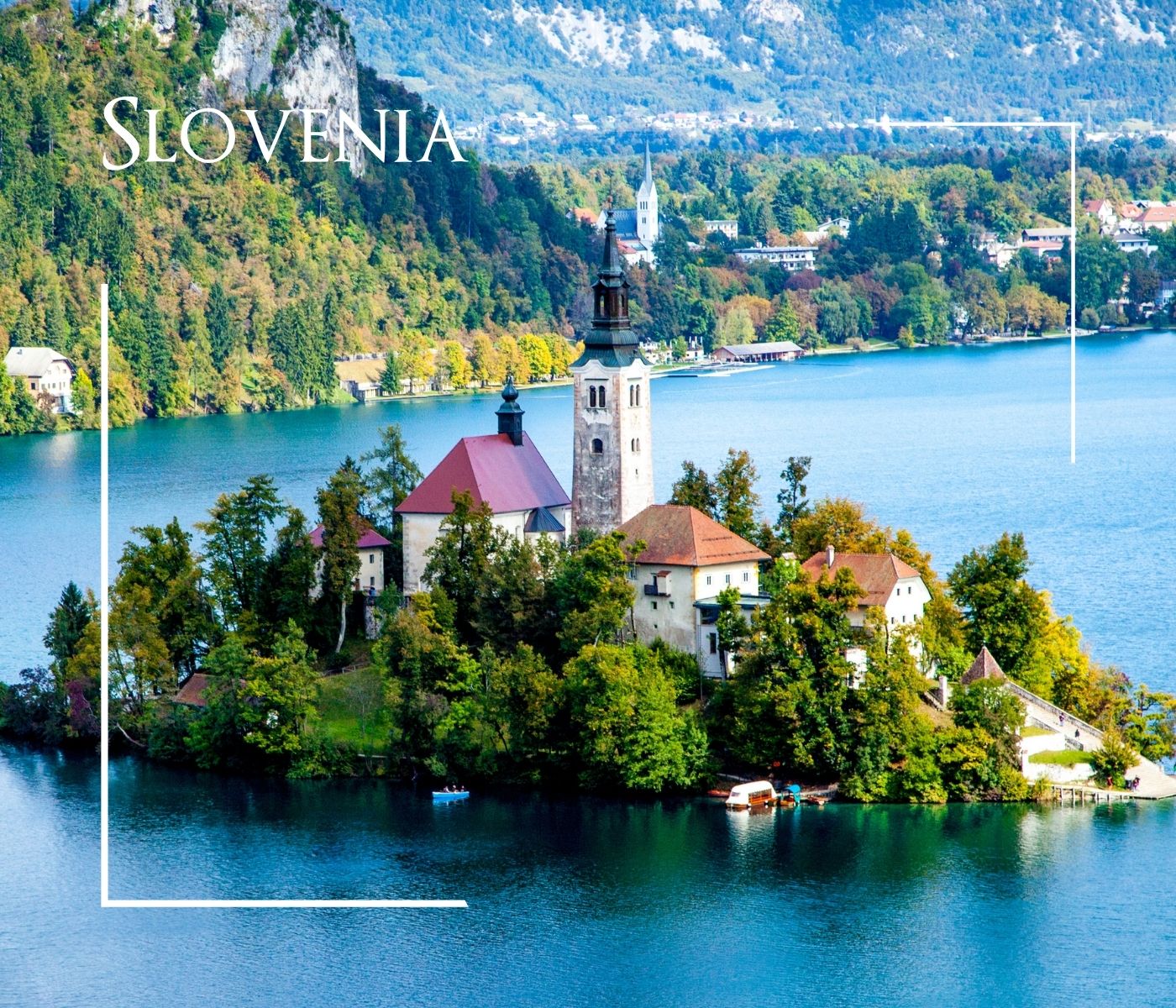
For Nina Skorupan at Nomago DMC, one of Slovenia’s strengths is how much variety can be incorporated without requiring delegates to spend large parts of the programme travelling.
She describes the possibility of holding a meeting in Ljubljana, moving on to Lake Bled and incorporating a Slovenian wine experience within the wider itinerary.
That flexibility gives event planners the opportunity to change the pace and environment of a programme while keeping logistics manageable.
But Nina also points to something less tangible: authenticity.
Slovenia can offer high-end venues and services while still giving corporate groups experiences that feel personal and connected to the destination. For international delegates who may know relatively little about Slovenia before travelling, that element of discovery can itself become part of the appeal.
Planner takeaway: When comparing destinations, look beyond the hotel and venue offering. Consider how much variety can realistically be incorporated into the available programme time.
Portugal: connecting corporate events with purpose
Mara Cavem, Director at Inside Events DMC, highlights Portugal’s ability to combine established corporate event infrastructure with culture, natural environments and increasingly purpose-led programme design.
For Inside Events, this includes a growing focus on regenerative tourism, creating opportunities for groups to engage with a destination rather than simply passing through it.
That can take sustainability beyond selecting a greener hotel or reducing transport. It can influence the activities, suppliers and partnerships that form the programme itself.
For businesses with clear ESG commitments or a desire to create a positive local impact, this gives planners another dimension to consider when developing an international event.
India: depth and contrast within one incentive programme
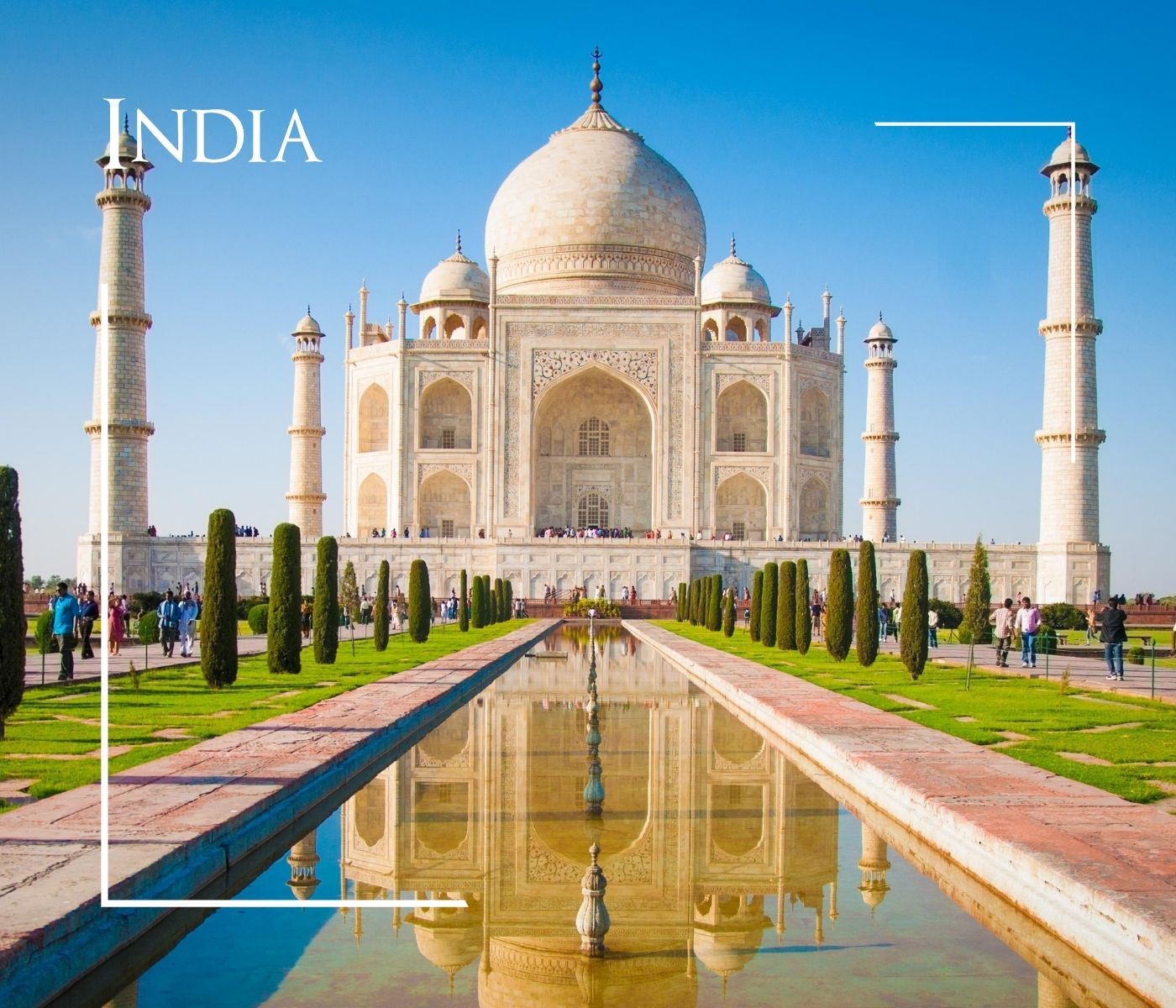
Nitheesh Krishnan, Director at Akbar Holidays, sees India’s depth as one of its strongest advantages.
A programme can draw on dramatically different regions, environments and experiences, including historic cities and palaces, Kerala’s backwaters and wellness-focused elements.
He also believes UK planners can underestimate the sophistication of India’s corporate event infrastructure and ground logistics.
But the real opportunity, in Nitheesh’s view, is what happens when the practical delivery and the destination experience come together. Rather than delegates simply remembering a conference or incentive itinerary, the destination itself becomes part of the shared experience.
UAE, Oman and Qatar: using contrast to shape the programme
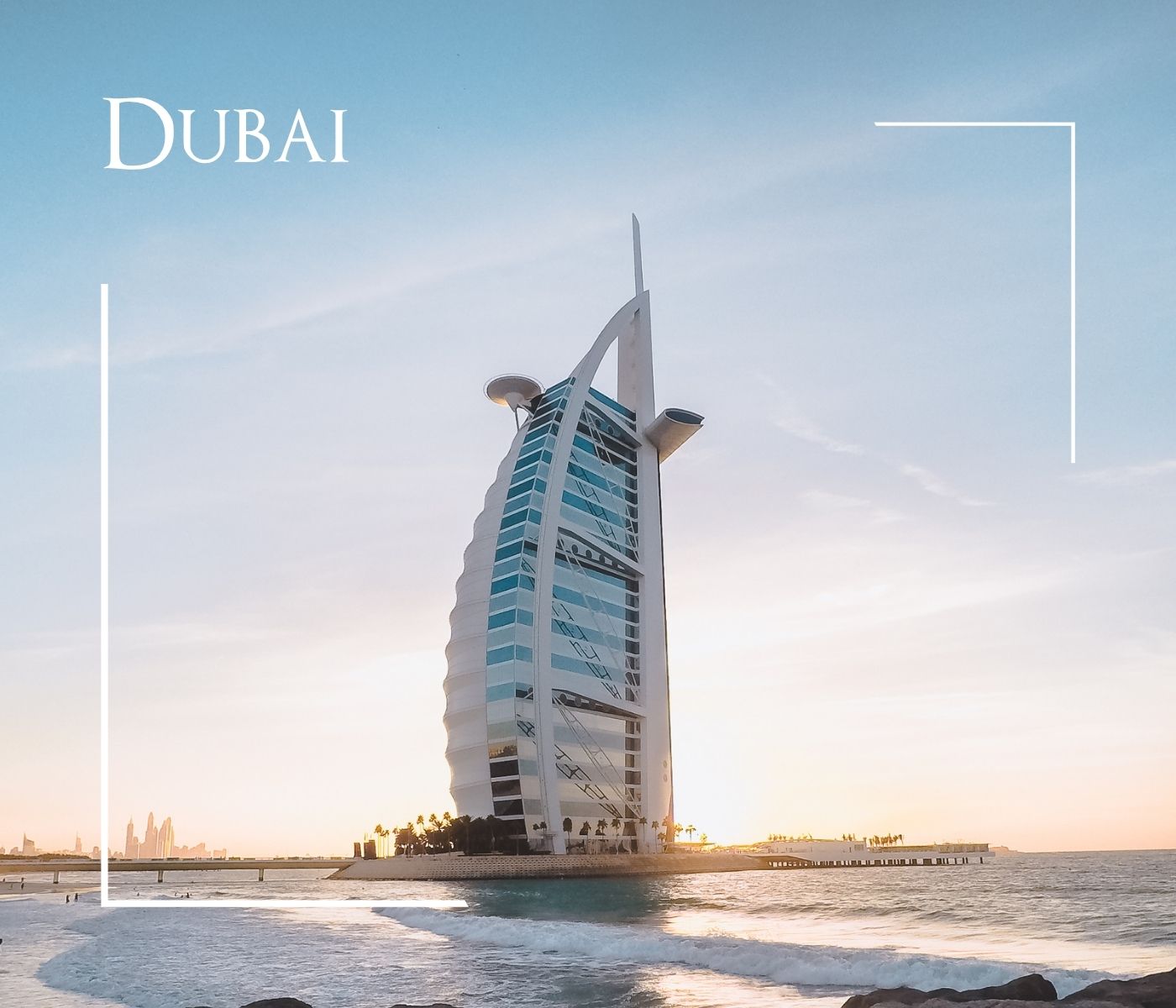
Abdul Ghori from Desert Gate sees the Middle East’s diversity as a particular advantage for planners.
Within the region, each destination can answer a different type of brief.
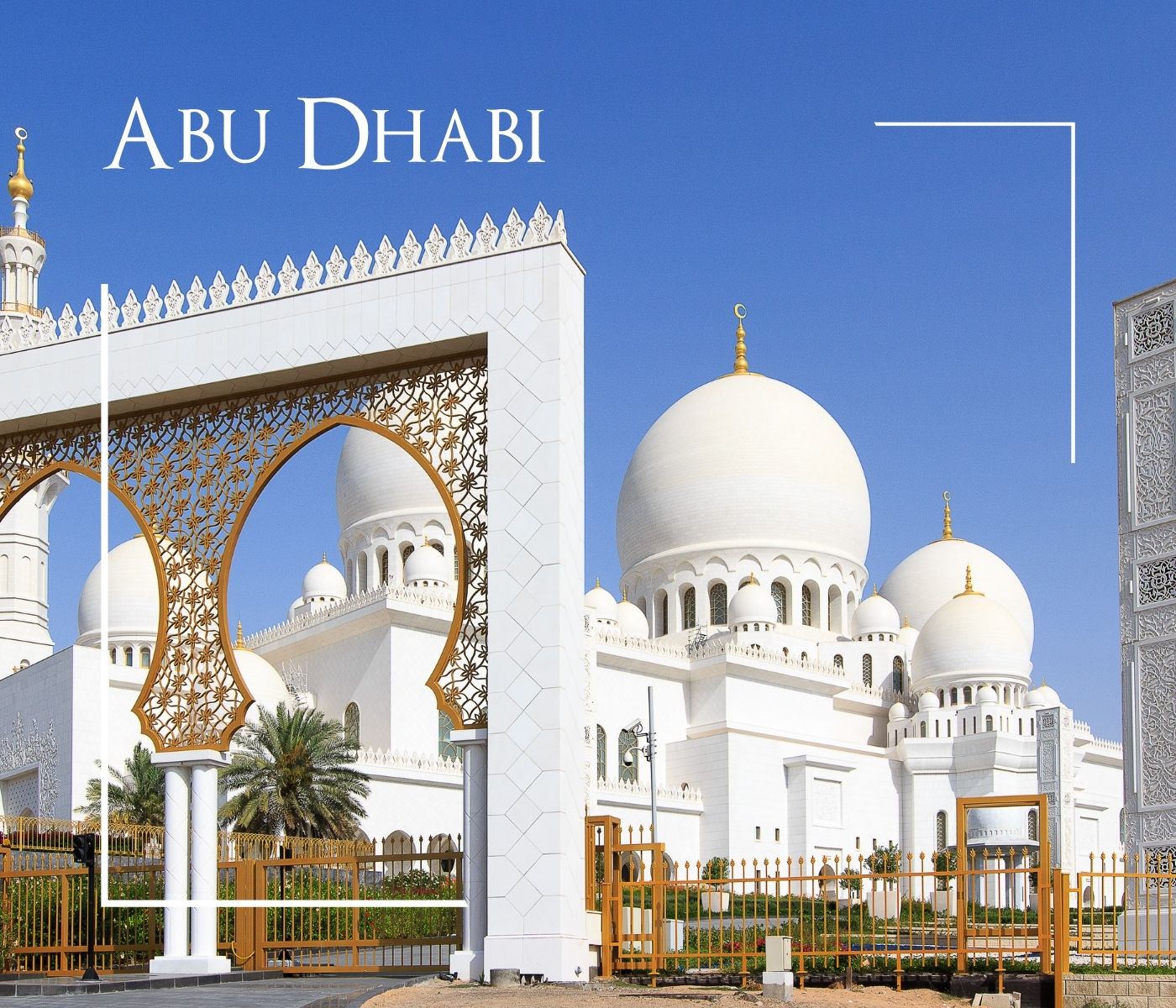
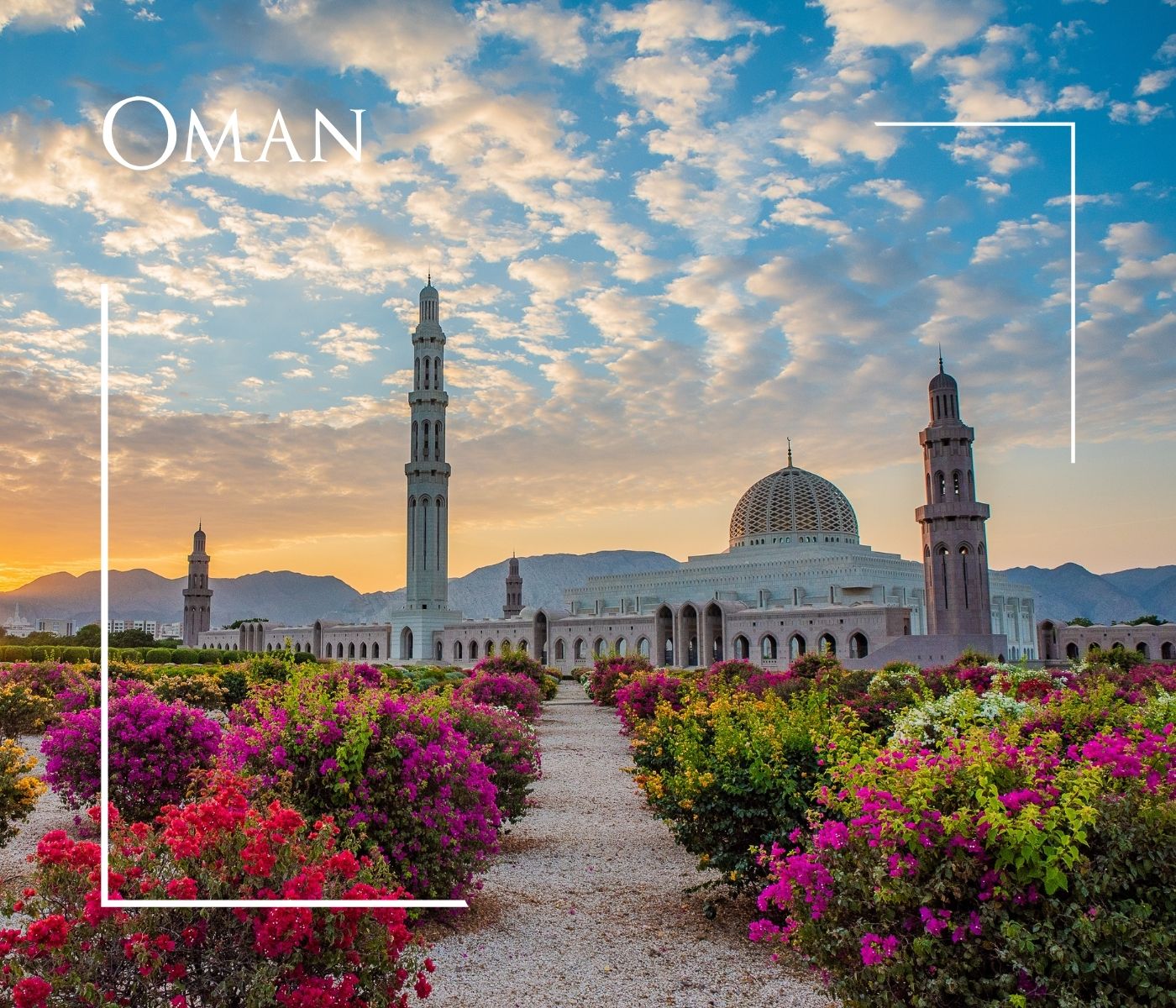
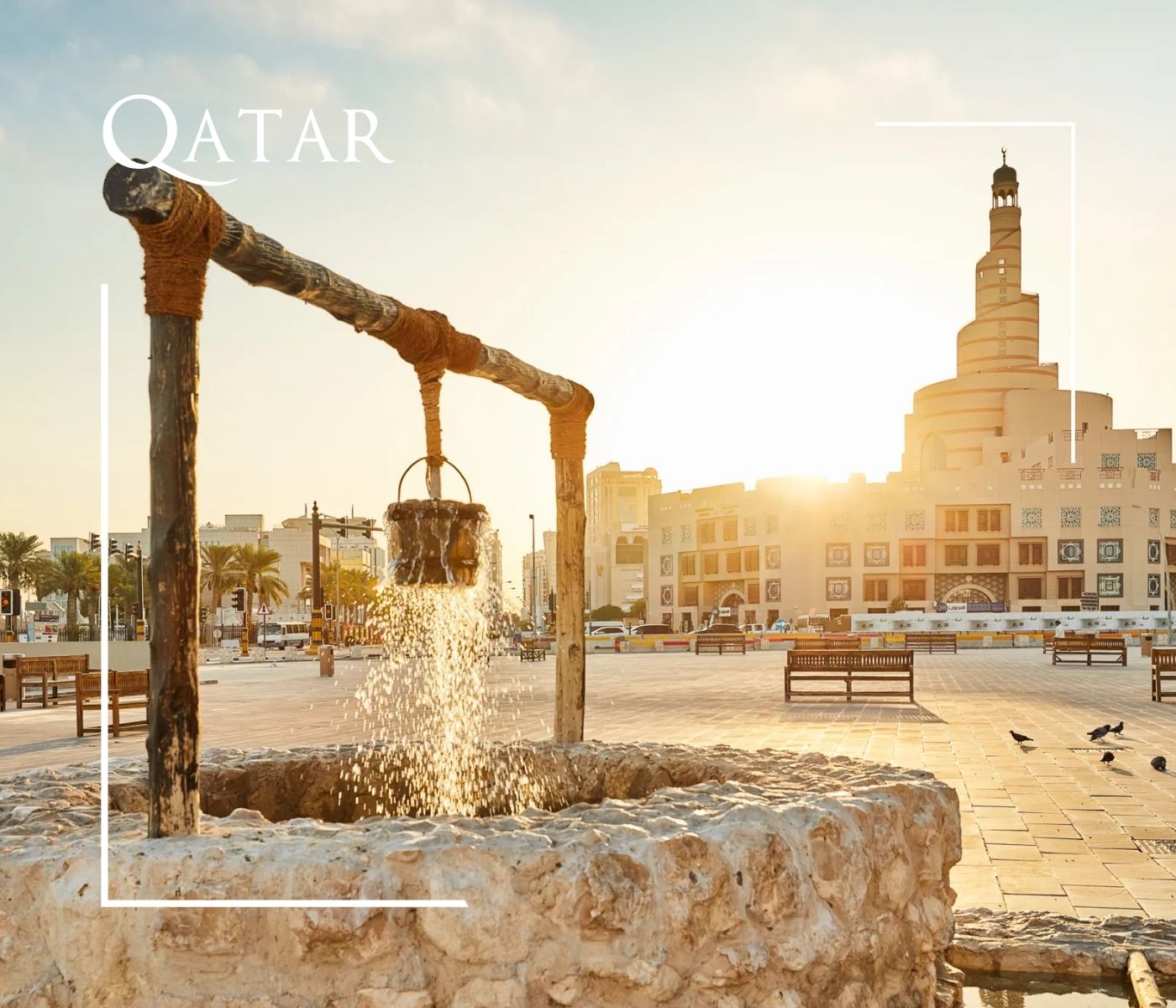
The UAE can offer contemporary event infrastructure, large-scale venues and luxury experiences. Oman provides a different pace, with natural landscapes, cultural experiences and opportunities for more immersive incentive programmes. Qatar combines modern infrastructure with heritage and high-end event settings.
For Abdul, one of the most interesting opportunities is the ability to move between very different environments and experiences.
A programme might combine the energy and innovation of a city such as Dubai with the landscapes and cultural character of Oman, allowing the contrast itself to become part of the event story.
Greece: matching the region to the brief
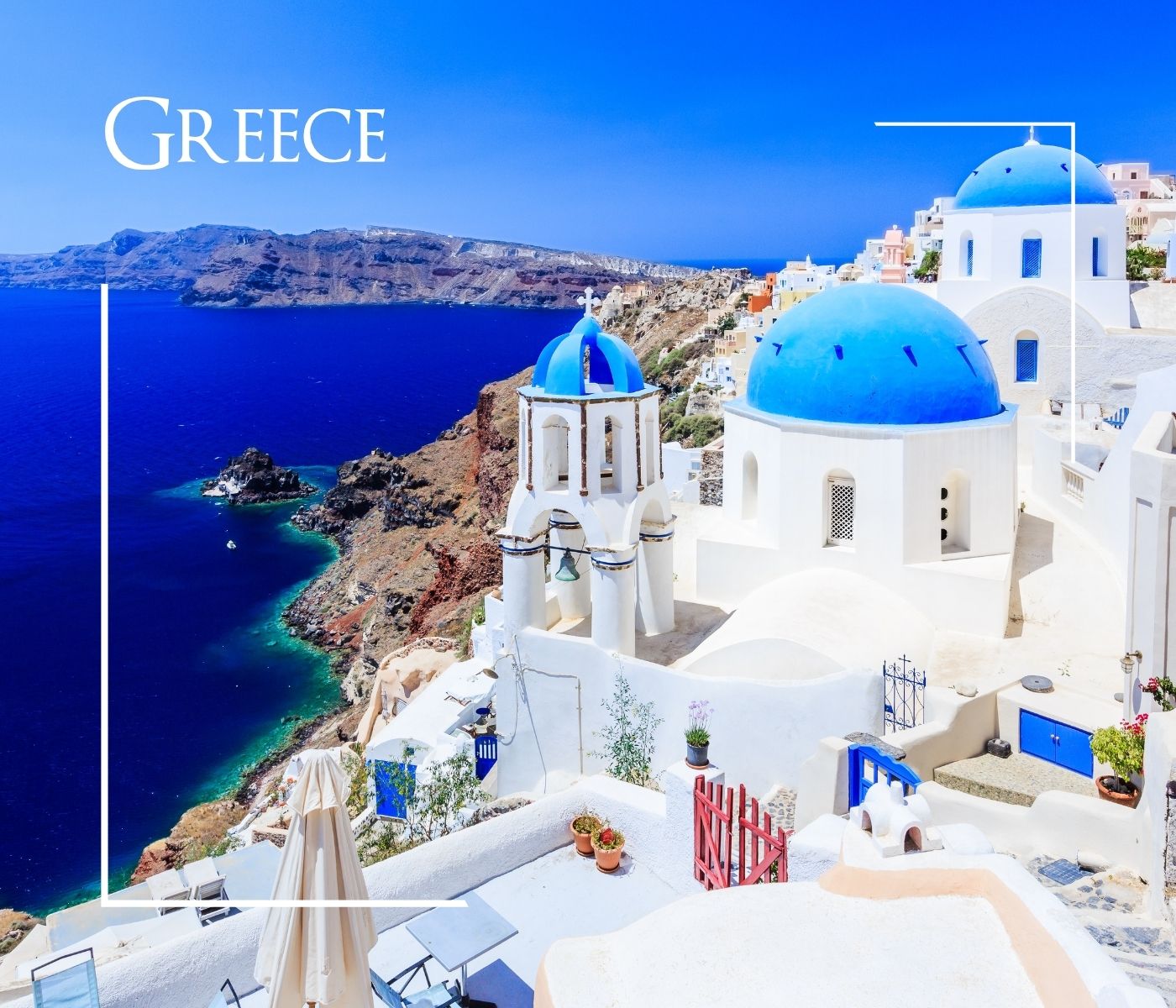
The team at AME DMC Greece highlights the range available across the country, from Athens and the Cycladic islands to Crete, the Peloponnese and other regional destinations.
Modern event infrastructure can be combined with heritage, coastal settings, local gastronomy and culturally rooted experiences.
For event planners, the important point is not simply that Greece offers many options. It is that different areas can answer very different briefs.
An event centred around an urban conference environment will require a different destination approach from a luxury incentive, a multi-stop programme or an event with sustainability and cultural engagement at its core.


What turns a successful event into a memorable one?
Operational success matters.
Transfers need to work. Venues need to deliver. Suppliers need to understand the brief. Delegates need to know where they are going and when.
But when we asked our DMC partners about the events they remember most, the answers were not primarily about logistics.
They were about how delegates responded.
Creating surprise through Slovenia
Nina recalls an international MICE event designed to showcase several sides of Slovenia over just a few days.
Business meetings were combined with Ljubljana, Bled, local gastronomy and Slovenian hospitality.
What stayed with her was the reaction from attendees who had not realised how much variety the destination could offer.
That sense of discovery can be particularly valuable for planners looking beyond destinations their delegates may already have visited several times.
Giving delegates an active role in Portugal
Mara describes a programme Inside Events delivered in the Algarve for a French corporate group of 225 participants.
Rather than building the itinerary around conventional resort activities, the group took part in environmental conservation initiatives including water-quality monitoring, work relating to seagrass, invasive plant removal and microplastics clean-ups.
For Inside Events, the memorable part was not simply the environmental activity itself but the change in how participants engaged with the destination.
It also demonstrates an important planning consideration: purpose-led activities for large groups still require careful operational thinking. Group movement, local partnerships, environmental sensitivities and timing all need to work alongside the objective of the experience.
Planner takeaway: If sustainability or ESG is important to the organisation, bring it into the initial brief. It can shape the whole programme rather than becoming an activity added at the end.
Designing an India incentive around emotional impact
Akbar Holidays designed a ten-day India incentive for a UK-based financial services company bringing a senior group of 40 delegates.
The programme moved through Delhi, Rajasthan and Kerala and included a mixture of private cultural experiences, heritage settings and wellness.
Nitheesh’s recollection of the event focuses less on individual itinerary components and more on the response afterwards. Delegates who were already experienced corporate travellers told the client that the trip had affected them differently from previous work events.
That is an important consideration when planning incentives.
Creating impact does not necessarily mean adding more activities. Sometimes it comes from choosing fewer, more meaningful experiences and allowing delegates enough time to engage with them.
Building a journey of contrast across the UAE and Oman
One of Abdul’s most memorable Desert Gate projects was a multi-destination incentive programme across the UAE and Oman for a global corporate client.
The programme started in Dubai with a high-energy welcome experience before moving into Oman, where the pace and environment changed considerably.
The programme incorporated mountain experiences in Jabal Akhdar and a private beach gala, using the contrast between destinations to take delegates through different stages of the journey.
For Abdul, what made the programme successful was the storytelling behind it.
Each element was designed to connect with the next, demonstrating how a multi-destination incentive can feel like one coherent programme rather than several separate experiences placed together.
Planner takeaway: For a multi-destination programme, think about why the group is moving between locations. The transition itself can form part of the event story.
Combining luxury, culture and purpose in Greece
AME DMC Greece describes a multi-destination Cycladic programme for a multinational corporate group, including a stay at Mykonos Riviera Hotel & Spa.
The itinerary combined luxury hospitality with environmental and cultural experiences, including conservation activity and interactions with local artisans.
Complex programmes involving more than one island require detailed coordination, but AME’s example also shows that luxury and purpose do not have to sit in separate parts of an itinerary.
The right programme can incorporate both.


What can a local DMC unlock that planners may not find independently?
Most event planners can find the major hotels, famous landmarks and established attractions within a destination.
That is not necessarily where local destination knowledge adds the greatest value.
It often becomes more important when a planner asks:
What could we do that this group would not find on a standard itinerary?
In Slovenia, Nina talks about connecting groups with local artisans, alpine experiences, castles, vineyards, winemakers and experiences involving Slovenian food, storytelling and music.
In Portugal, Inside Events might replace a conventional restaurant experience with a hands-on cooking session alongside local chefs, arrange wine and petiscos tastings in distinctive locations or build an azulejo workshop around traditional Portuguese tile-making.
In India, Nitheesh emphasises the importance of relationships developed over time. Akbar Holidays’ programmes can draw on locally connected experiences and settings that are not simply selected from a catalogue.
Examples shared by Nitheesh include private dining experiences, meetings with local producers and access to settings that rely on established relationships within the destination.
Across the UAE, Oman and Qatar, Desert Gate also encourages planners to look beyond the most familiar experiences.
Abdul highlights opportunities such as private desert experiences in the UAE, heritage locations in Dubai’s Al Fahidi district, cultural spaces such as Alserkal Avenue, mountain dining and private fort experiences in Oman, and desert and dhow experiences in Qatar.
In Greece, AME points towards private cultural settings, artisan-led workshops, local producers and farm-to-table experiences that connect delegates more closely with the character of the particular region.
The value of local knowledge therefore goes beyond knowing what exists.
A good DMC understands what is appropriate for a corporate group, which suppliers can deliver reliably, how an experience will work operationally and where it fits within the wider event programme.
Why personalisation should start before the itinerary
Perhaps the clearest theme across all five DMC responses had very little to do with destinations.
Each partner talked about understanding the client before designing the programme.
Nina puts it simply:
“We never start with a destination or a venue, we start with the client.”
Nomago considers the company’s goals, culture, audience and desired outcome before deciding what the programme should look like.
Inside Events follows a similar principle.
Rather than working from a fixed catalogue, the team looks at the organisation’s values, corporate culture and ESG priorities. Those considerations can influence the suppliers selected, the environmental impact of logistics and the types of experiences included.
Nitheesh at Akbar Holidays describes it another way:
“We never open with an itinerary. We open with a conversation about the group.”
What has the company done before? What does it want delegates to take home from the experience? Which parts of the programme should move quickly, and where should people have time to stop and engage?
For Desert Gate, the starting point is also the client’s objectives, audience and brand values.
From there, Abdul’s team develops a creative concept, draws on local supplier relationships and uses its on-the-ground knowledge across the UAE, Oman and Qatar to build a programme around the particular brief.
AME DMC Greece also starts with corporate identity, values and strategic objectives before moving into venues, guest flow, suppliers and activities.
Five very different destination specialists, but essentially the same message:
Do not start with the itinerary. Start with the reason for the event.
Give your DMC the brief behind the brief
Dates, delegate numbers, destination preferences and budget will always matter.
But if you want a DMC to create something genuinely individual, it is worth discussing:
- Why the event or incentive is taking place
- Who will be attending
- What the company wants delegates to think, feel or do afterwards
- Where the group has travelled previously
- What has worked well and what has not
- The company’s culture and values
- Sustainability or ESG priorities
- The preferred balance between formal event content and experiences
- How active or relaxed the programme should feel
- Any important accessibility, dietary or cultural considerations
The better the DMC understands the context behind the event, the easier it becomes to recommend the right destination, venues, suppliers and experiences.

Five lessons for international corporate event planning
So, what can event planners take from these conversations?
1. Start with the objective, not the destination
A destination may look impressive on paper but still be wrong for the particular group or event objective.
Establish what the programme needs to achieve first.
2. Match the destination to the brief
Slovenia, Portugal, India, Greece and the Middle East all offer very different possibilities.
The question is not which destination is universally best. It is which one gives you the right combination of infrastructure, experiences, logistics and atmosphere for the client.
3. Use local expertise to move beyond the obvious
Well-known attractions can absolutely have a place within a corporate programme.
But local relationships can help turn them into something more considered, or uncover experiences that would be difficult to identify and deliver remotely.
4. Create opportunities to connect
The programmes our DMC partners remember most gave delegates an active relationship with the destination.
That might mean meeting local producers, contributing to conservation, learning from artisans, exploring landscapes differently or spending time in places that reveal more about local culture.
5. Personalisation is not about adding more
A bespoke programme is not necessarily a busier programme.
It is one in which the destination, venues, experiences, suppliers and pace have been chosen because they support the specific client and group.
The role of local expertise in international event planning
International corporate events involve a large number of moving parts, particularly when the planner is working across borders, cultures, suppliers and unfamiliar destinations.
A local DMC brings destination knowledge, supplier relationships, programme development and on-the-ground operational experience.
STAR Your World works with DMC partners across international destinations, providing UK corporate event planners and agencies with a familiar point of contact while connecting them with those local teams.
Our role is to help make those destination relationships easier to access, supporting conversations from the initial brief and proposal stage through to event delivery.
The DMC’s local expertise remains at the heart of the programme.
Planning your next international corporate event
The strongest international events are not created by taking an existing itinerary and changing the company name.
They begin with understanding the objective, the audience and the experience the client wants to create.
From there, the right destination and local partners can help turn that brief into something relevant, practical and genuinely individual.
If you are considering Slovenia, Portugal, India, Greece, the UAE, Oman, Qatar or another international destination for an upcoming corporate event or incentive programme, speak to STAR Your World.
We can connect you with the right DMC partner and help you start developing the brief.